One year on


I’ve been writing this newsletter for a year now, published every week on a Monday with one week off at Christmas. I’m surprised I’ve kept it going this long, but it seems to have folded into my “working” week relatively effortlessly and spurs me on to create, which is something I hadn’t anticipated at the outset.
Here’s one of those slightly wild paintings that doesn’t lend itself to screen so well. Noticing I’m less inclined to tidy my paintings up these days.
Macclesfield Canal
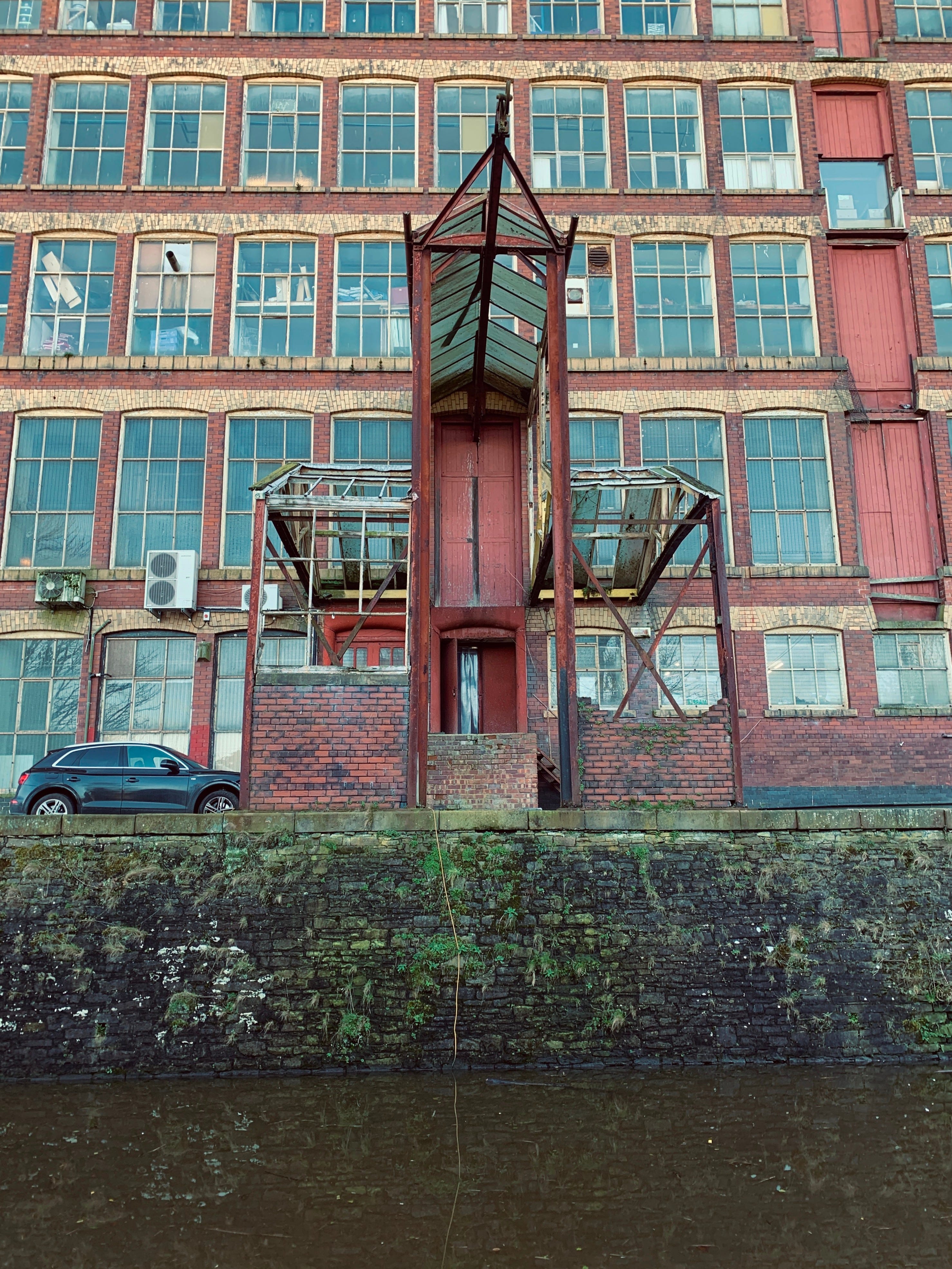
The sun came out, so we decided to walk the length of Macclesfield Canal as a little side project. Starting at Marple, we’re at Bosley Locks now, which is just over half way. An interesting meander through our local history.
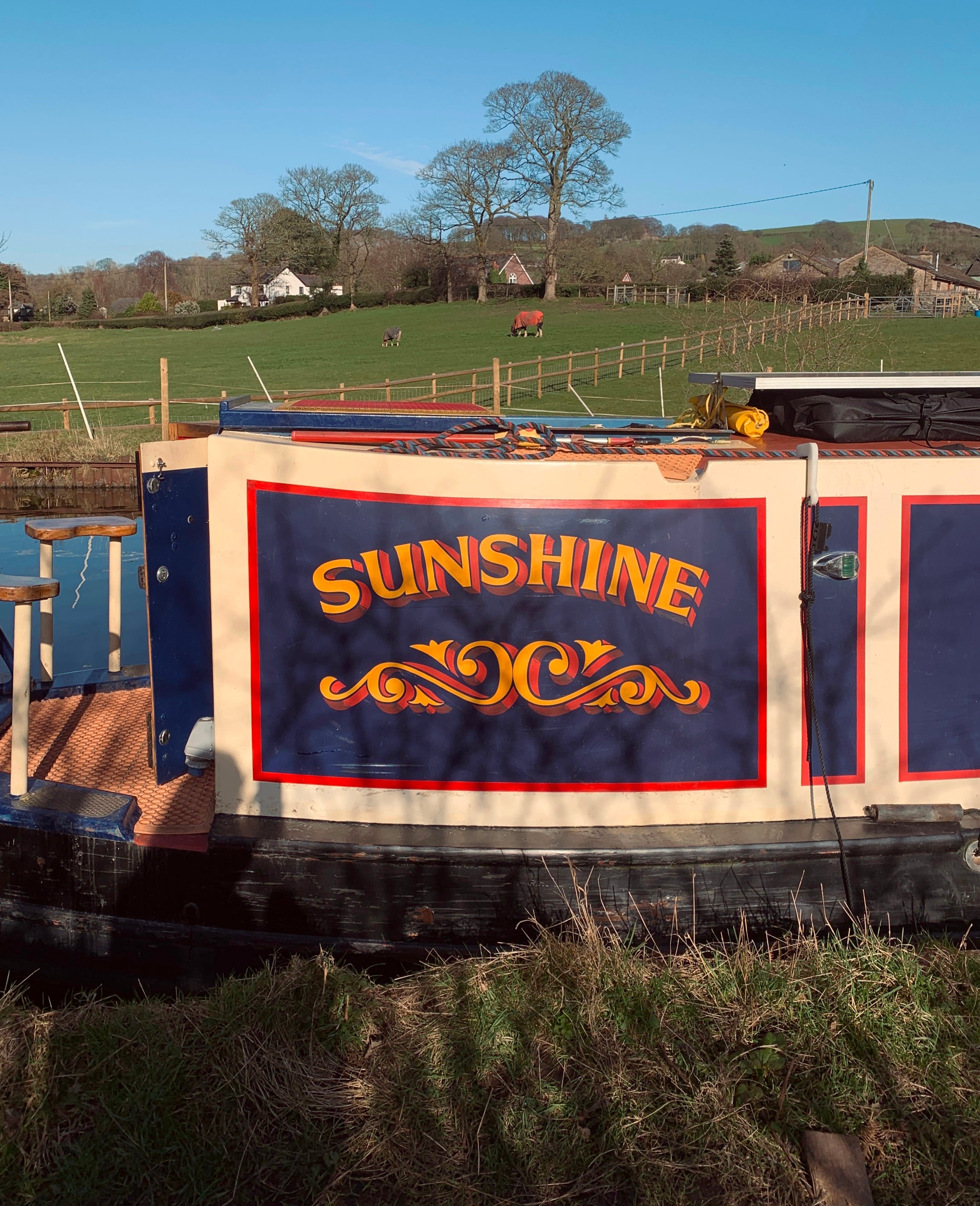
Crying out to be photographed in its moment of glory.
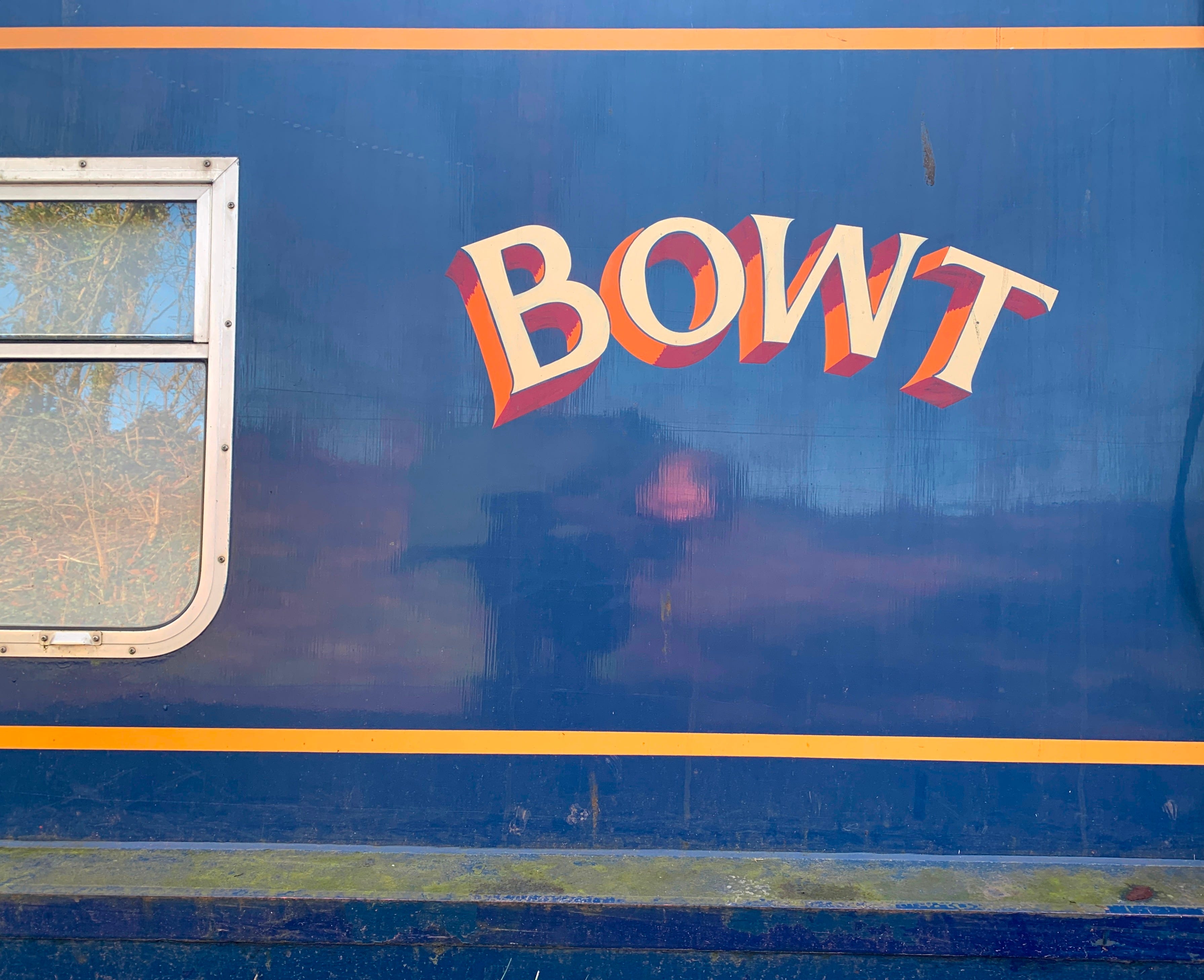
Nowt wrong with this barge. 10/10 for Northern directness.
Went into Hot Bed Press over the weekend to do some etching. The process is long-winded and I’m very much in a learning phase, so this is the sum total of an afternoon’s work. There’s a fair bit of waiting around with etching – you can’t rush this stuff – so tea breaks, chats and aimless wanderings are all in a day’s work.
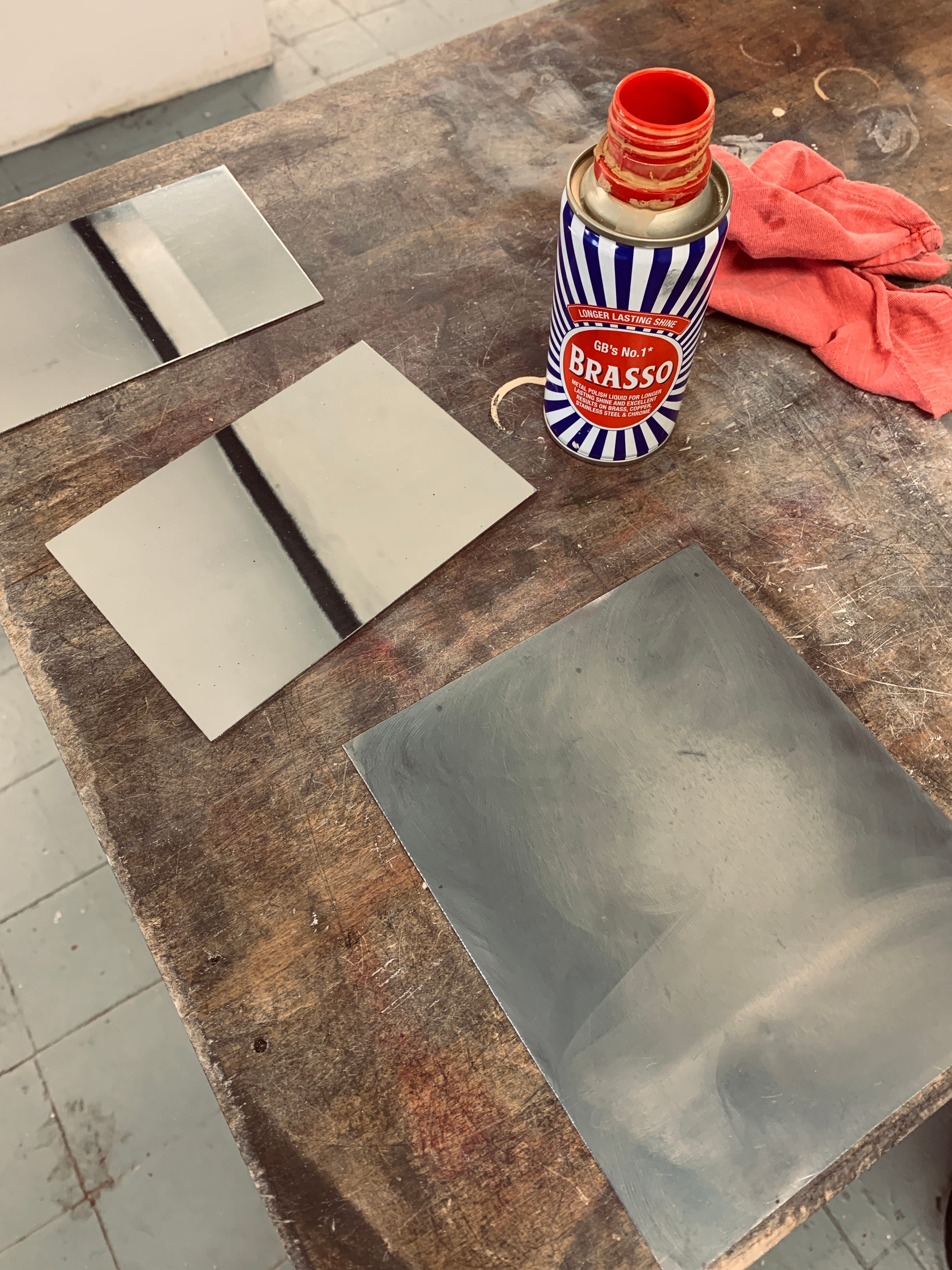
First step is to file and polish the zinc plates. A sharp edge can be enough to tear the etching press blankets, which are surprisingly expensive.
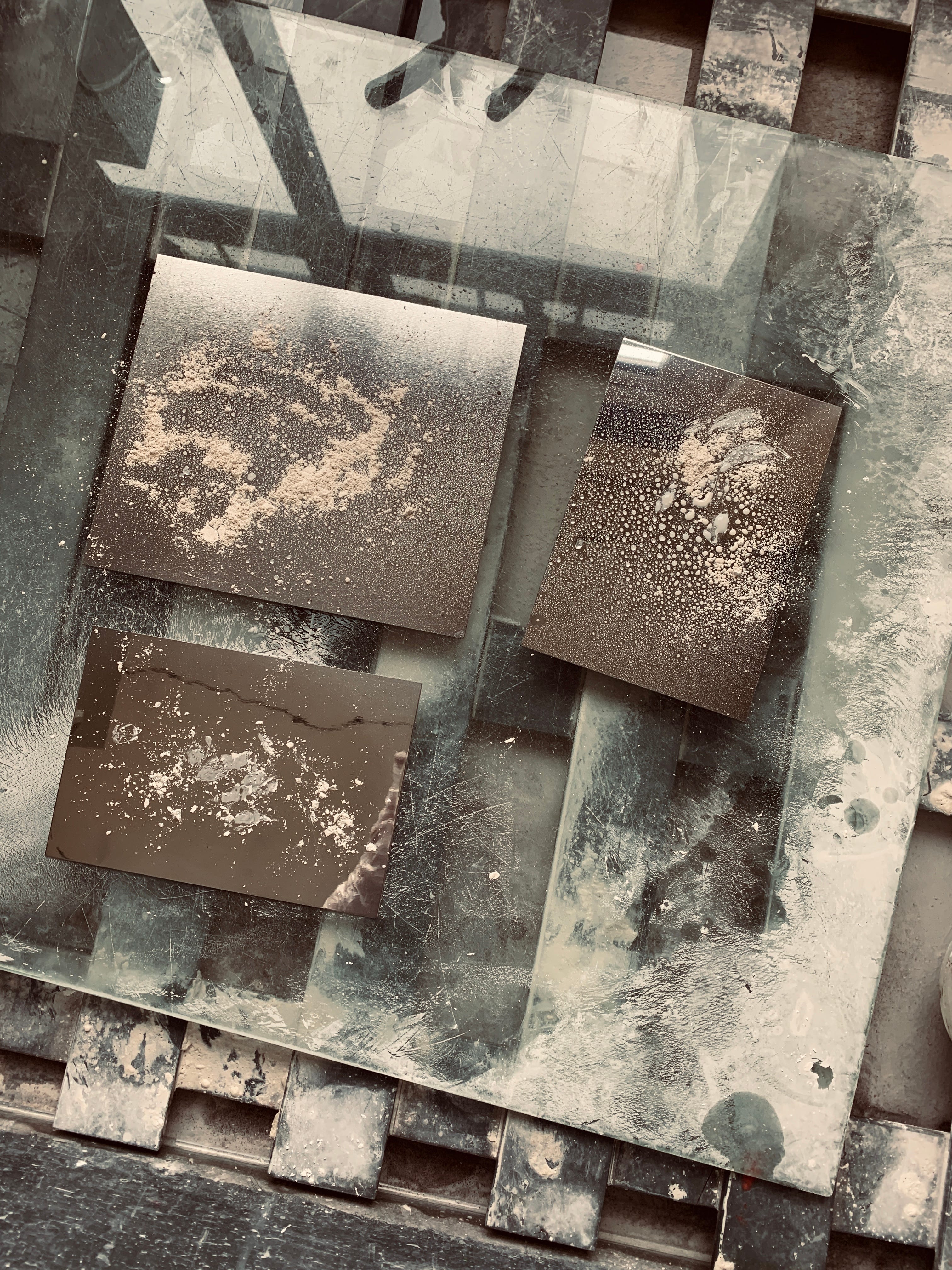
Then you need to degrease with whiting powder to remove all traces of oil and fingerprints, which could potentially show up on the print. A light touch is required for both polishing and degreasing as the scratch marks can also show up on the print. Damned if you do, damned if you don’t.
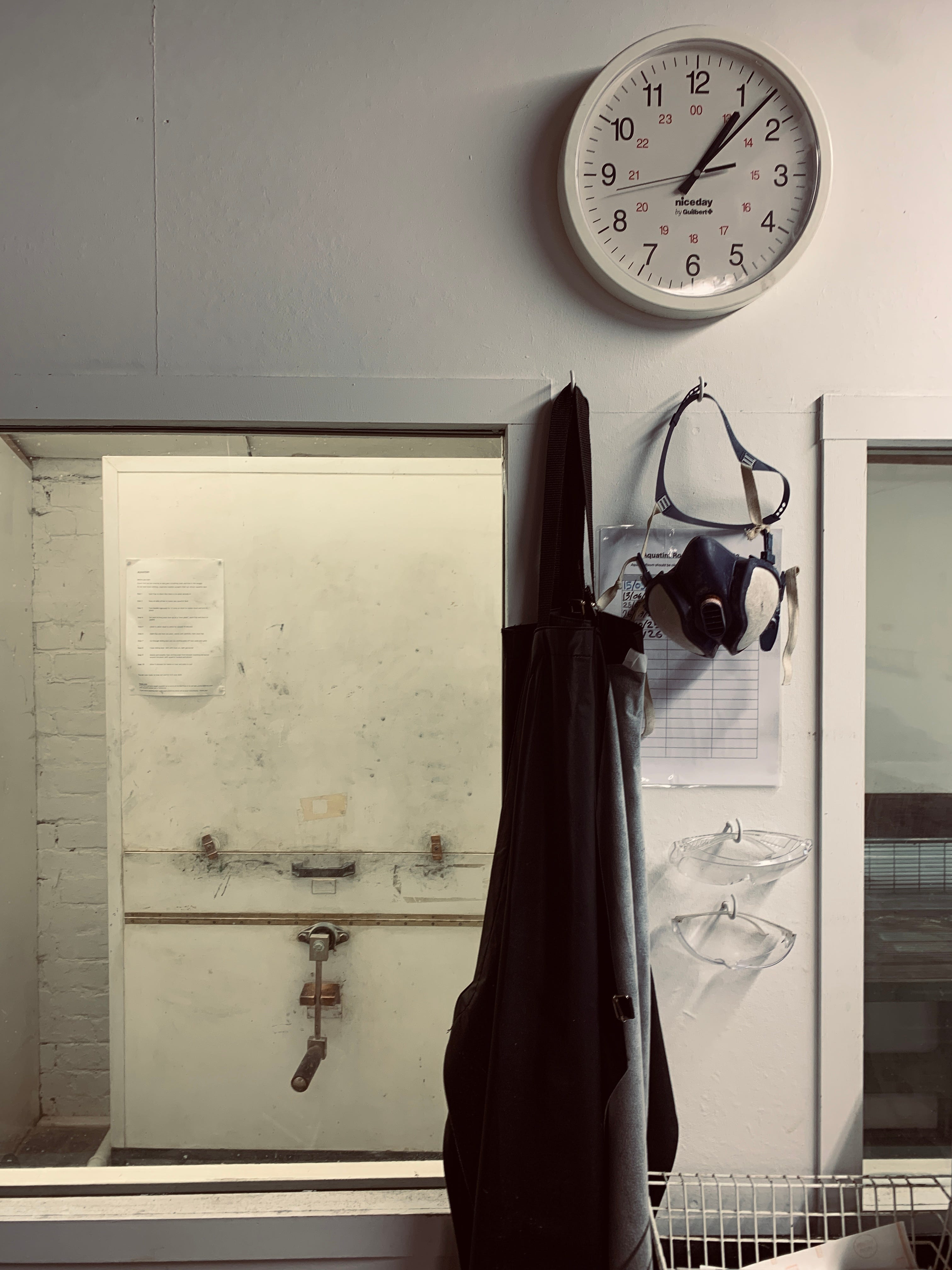
Once the plates are ready, it’s time to make a first move. Aquatint is one option – it creates tone in the etching process, essential if you don’t just want line work. This is the aquatint cupboard, sealed off by two doors because it’s pretty toxic stuff. The idea is to apply a fine layer of aquatint dust onto the plate. You do this by whipping up a cloud of dust in the cupboard by frantically turning the handle and then carefully slide the plate into the cupboard to allow the dust to settle.
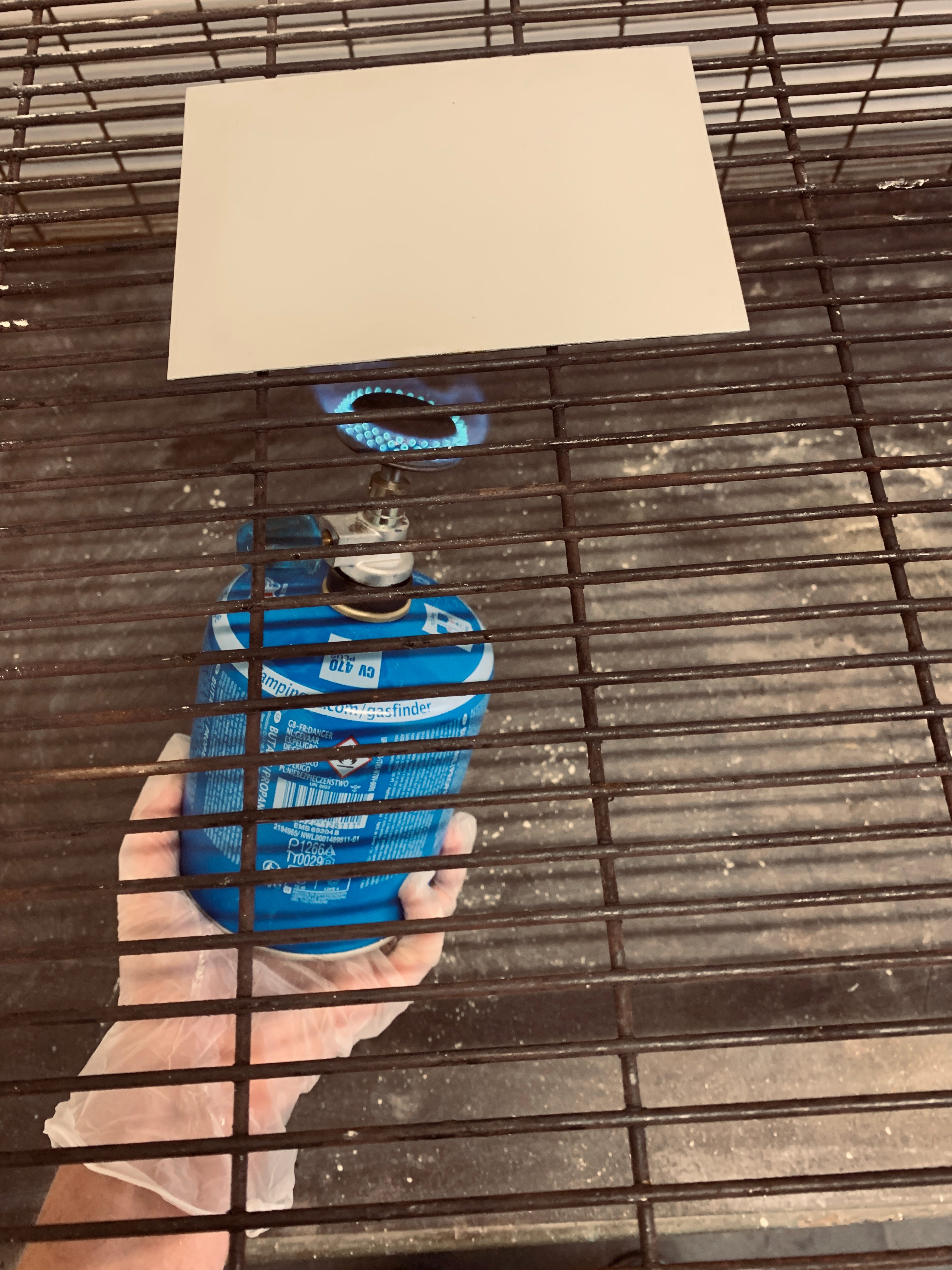
Left untreated, the aquatint dust would obviously just float off so it needs to be sealed on with heat. If you’re not careful moving the plate from the cupboard to the grill, aquatint can accumulate in one spot and trigger a flame.
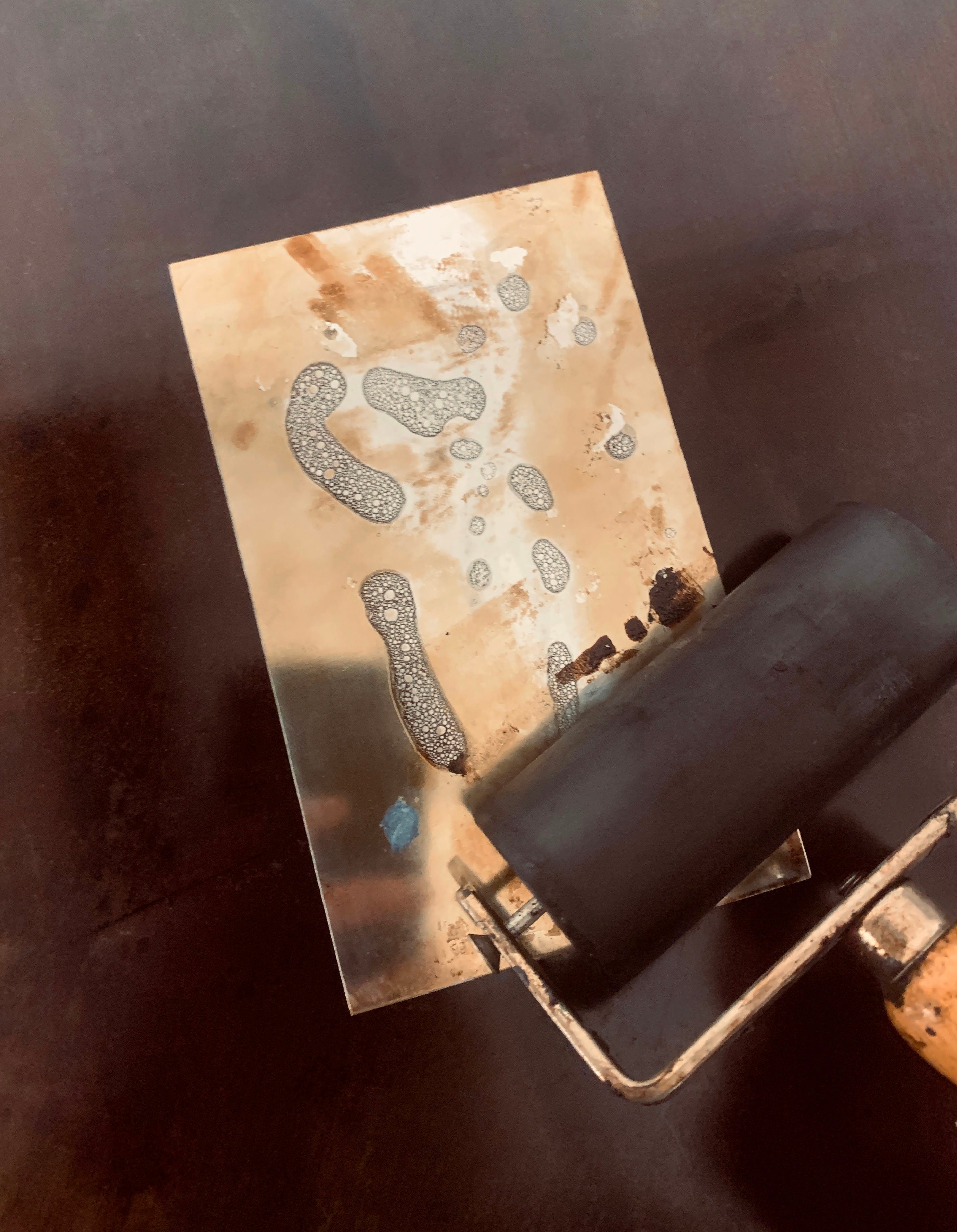
As well as aquatint, there’s hard ground and soft ground – all three of these processes resist acid and therefore protect the plate. This is a hard ground being rolled over a sugar lift. It didn’t work – think I went too soon – I won’t explain.
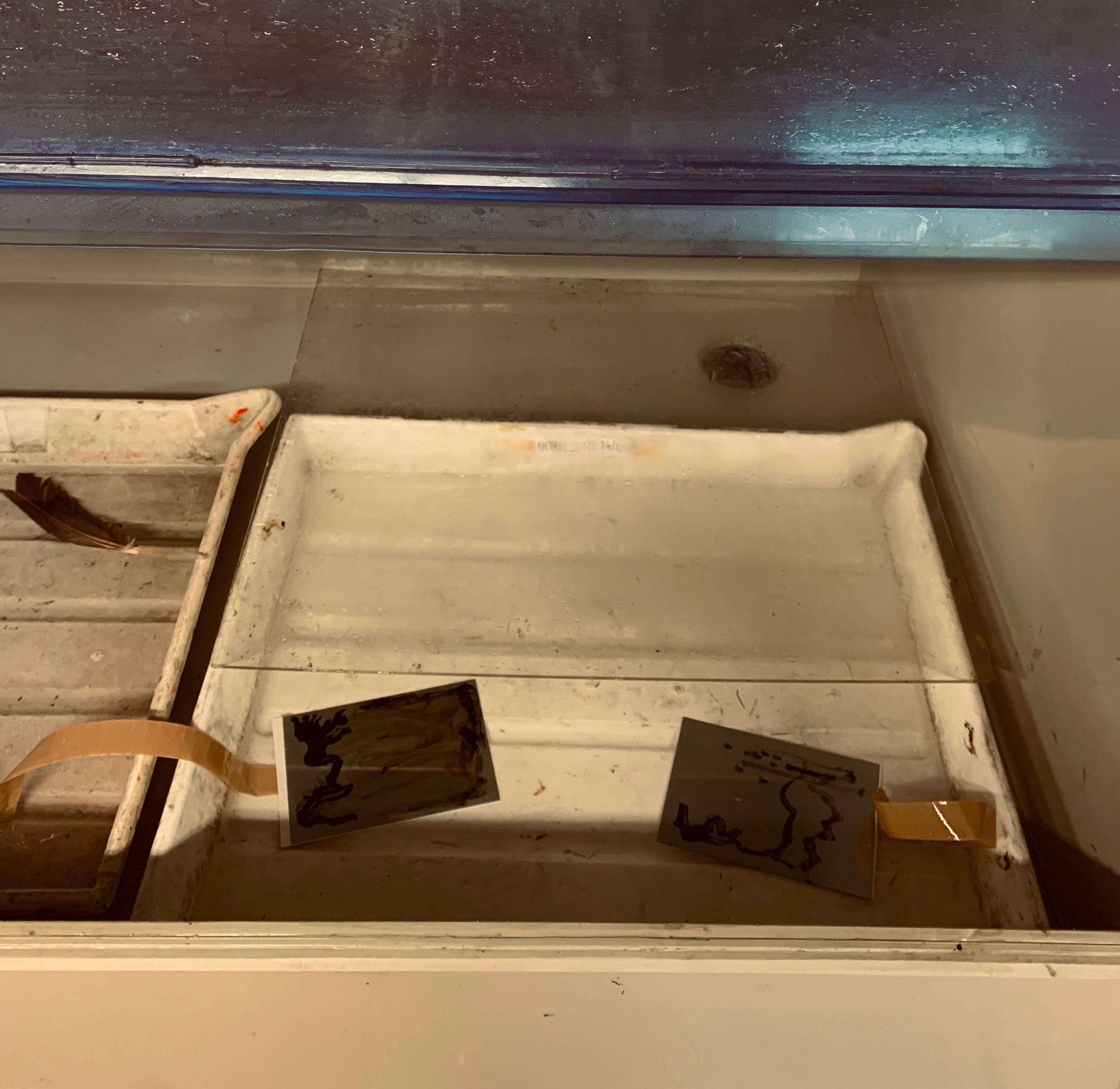
And here’s the Ferric acid bath, the final step before printing. You dip the plates in here and the acid bites all the exposed parts, creating a small recess to hold the ink. Close that plastic lid over the top, walk away and forget about it, and you’ve just made mustard gas.
So I have three plates etched and ready for me to proof on Wednesday. It appears I have something on there, preliminary marks at best, but really no idea what it will look like. I’ll show you next week, if it works.
One hundred and sixty-nine
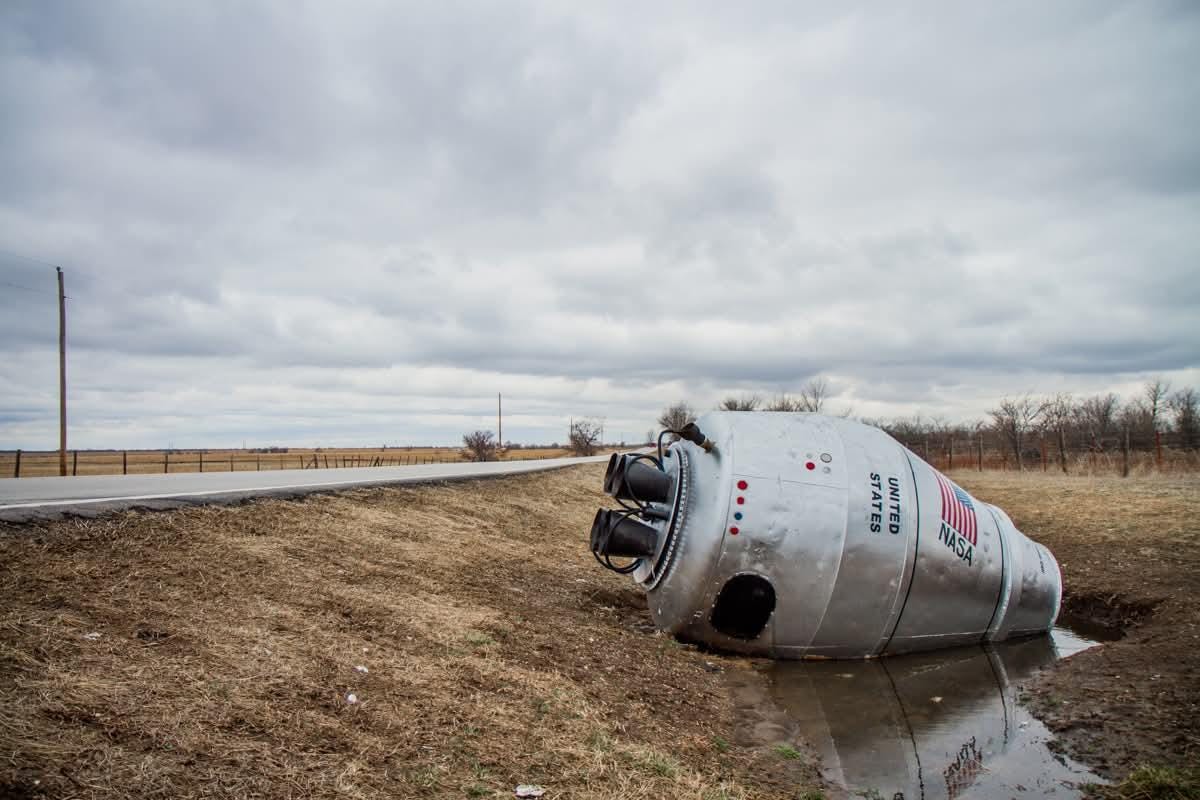
There are 169 subscribers to this newsletter. On the side of a road just off Route 169 in Oklahoma is the Winganon space capsule – a detached and abandoned cement mixer transformed by local artists to resemble a relic from a NASA space mission.
Love it Sue,
Hope you are doing okay, brightens up a Monday morning when your email pops up.
All the best,
Jon